
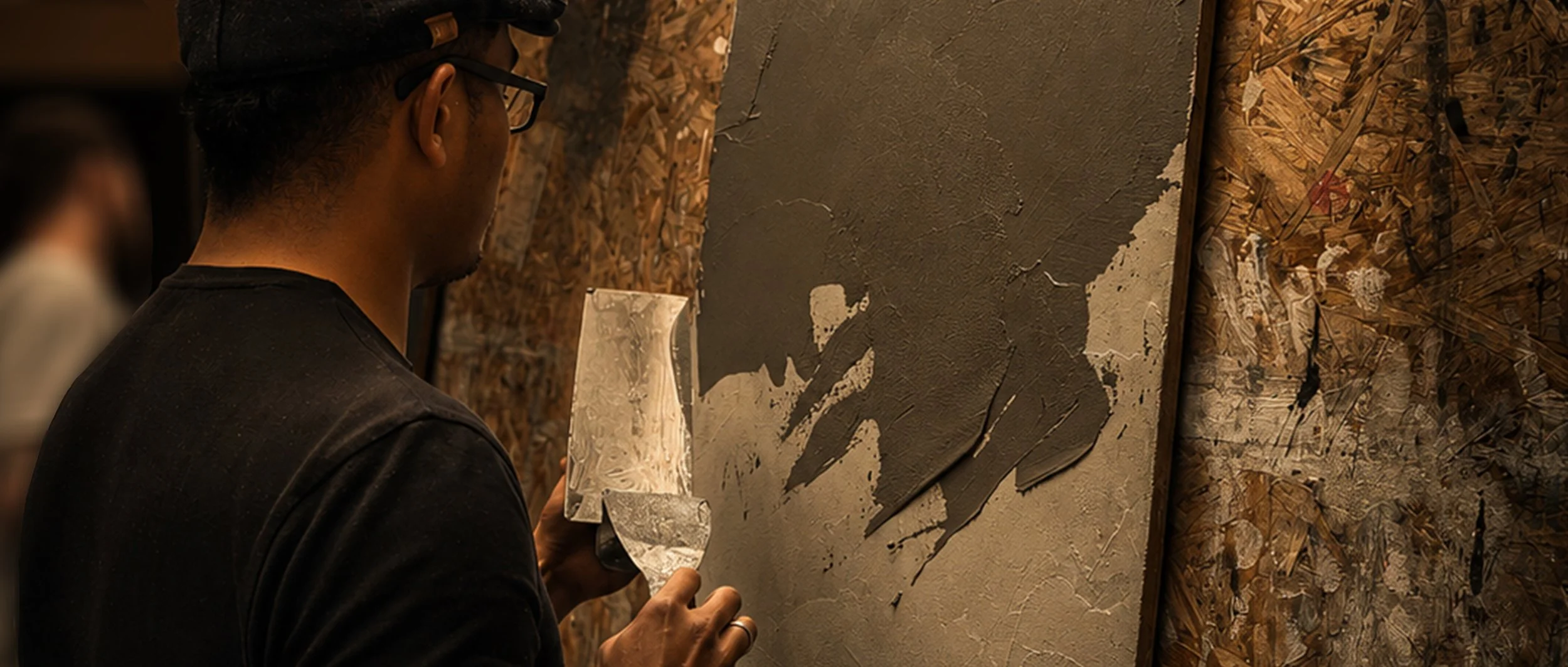
Architectural Surfaces, Crafted by Hand.
This isn't a catalogue. It's an introduction to how I work, what these finishes are actually made of, and what the next few weeks will feel like from your side of the wall.
ABOUT THE STUDIO
Made By Hand. Considered By Design.
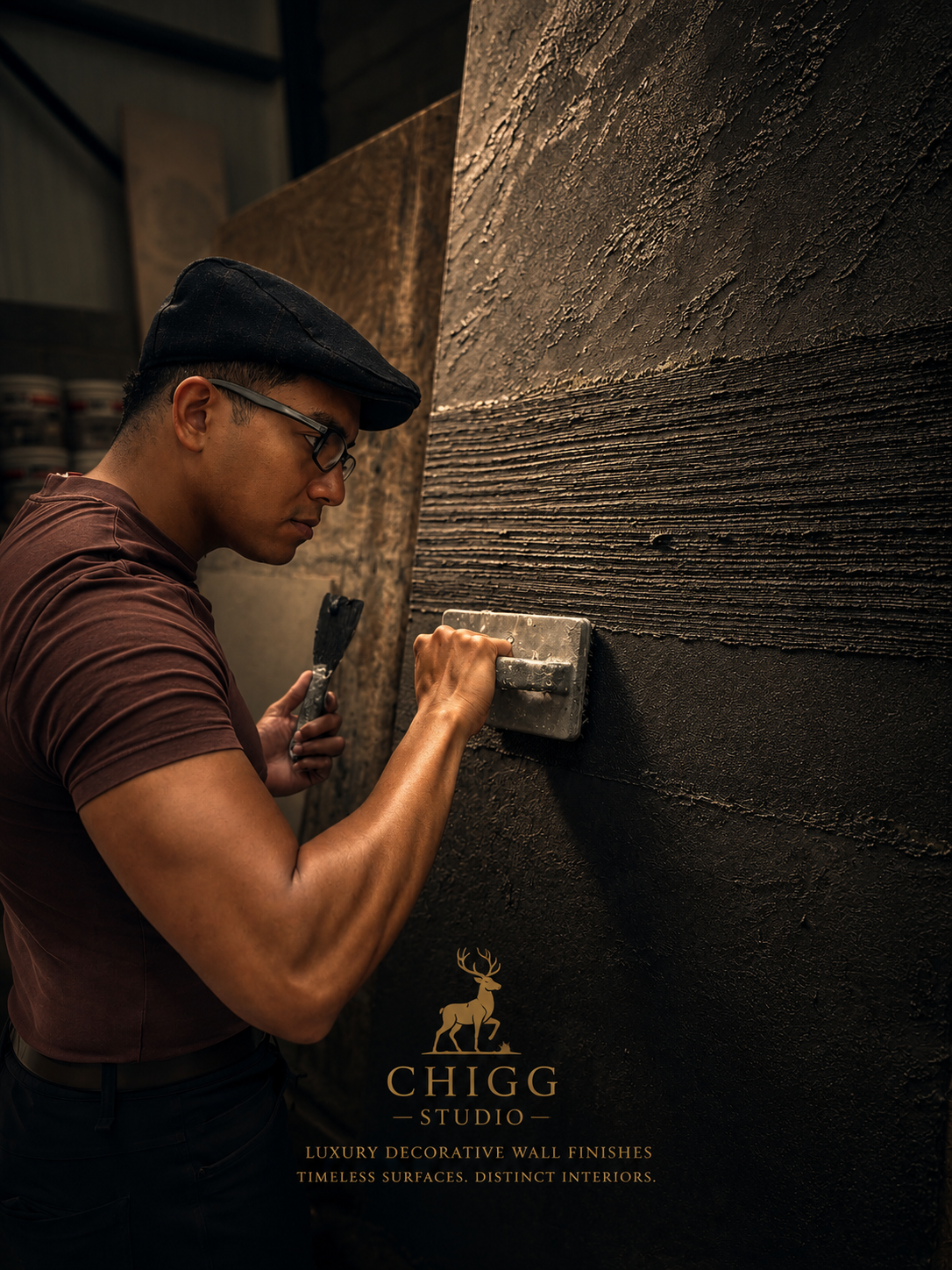
My name is Sammy Khalid.
Before CHIGG STUDIO, I spent over a decade building environments and visual worlds for feature films and television. That work taught me to think differently about materials, light and atmosphere; you learn fast that a surface either holds a scene together or gives the whole thing away. These days I put that same attention into people's homes instead of film sets, handcrafted finishes that feel considered, built to last, and a bit different to what's next door. I do every project myself, start to finish. No subbing it out, no second crew.
“
OUR PHILOSOPHY
A wall is not a backdrop.
It is the first surface a room asks you to notice.
”
Architectural Materials.
Venetian Plaster
A Finish With History
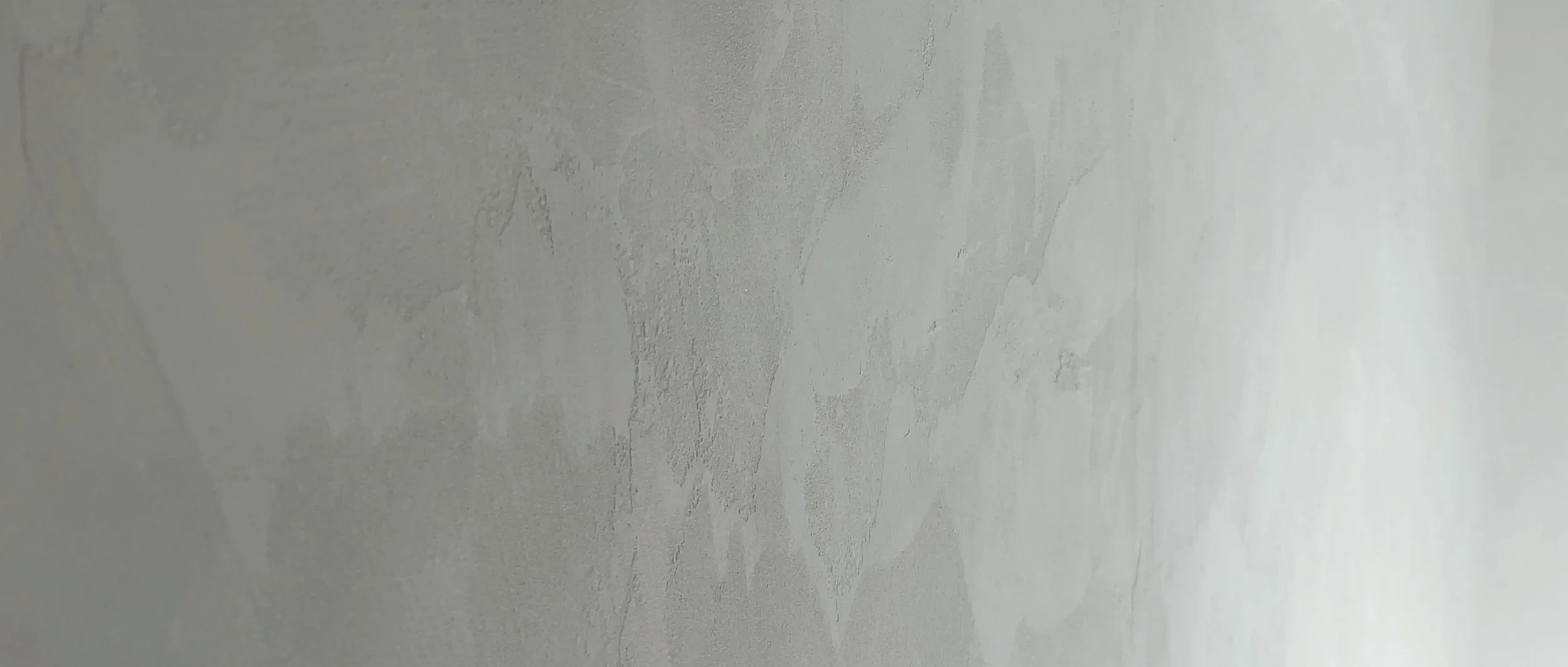
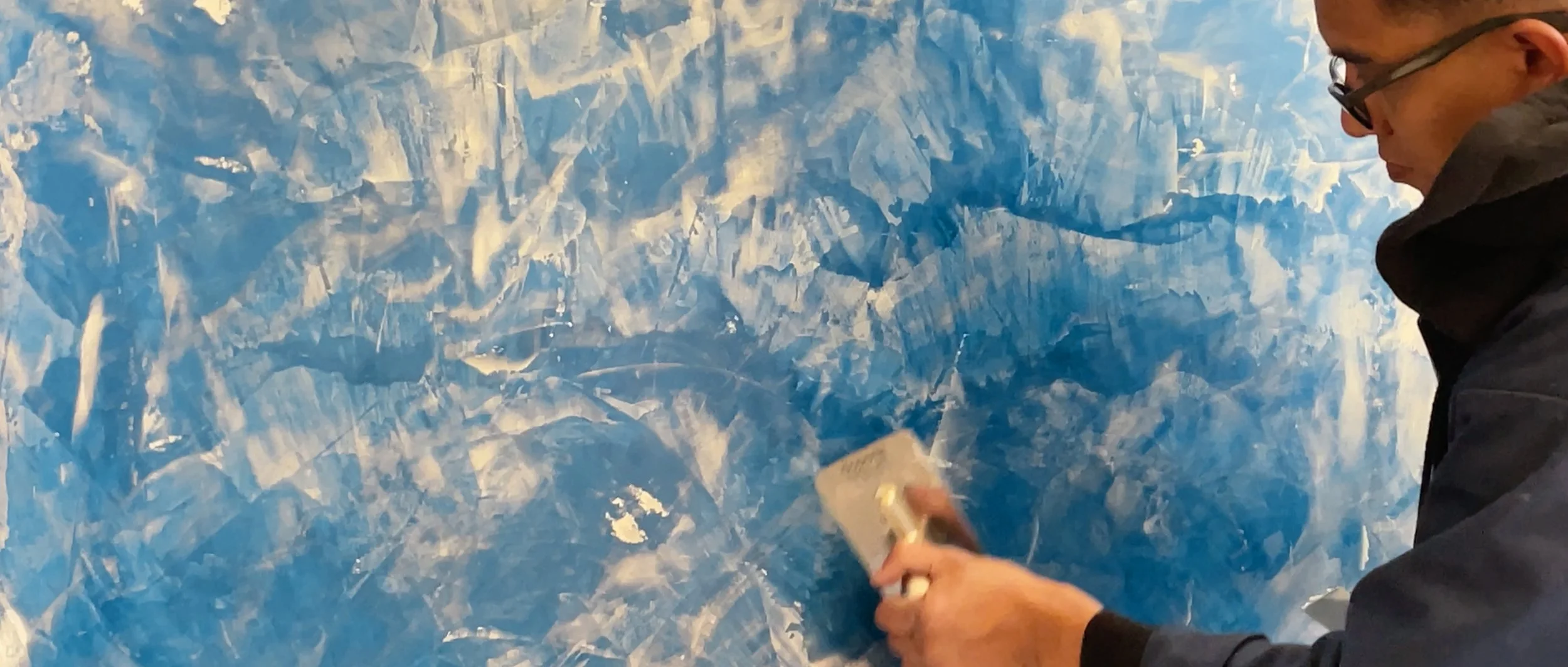
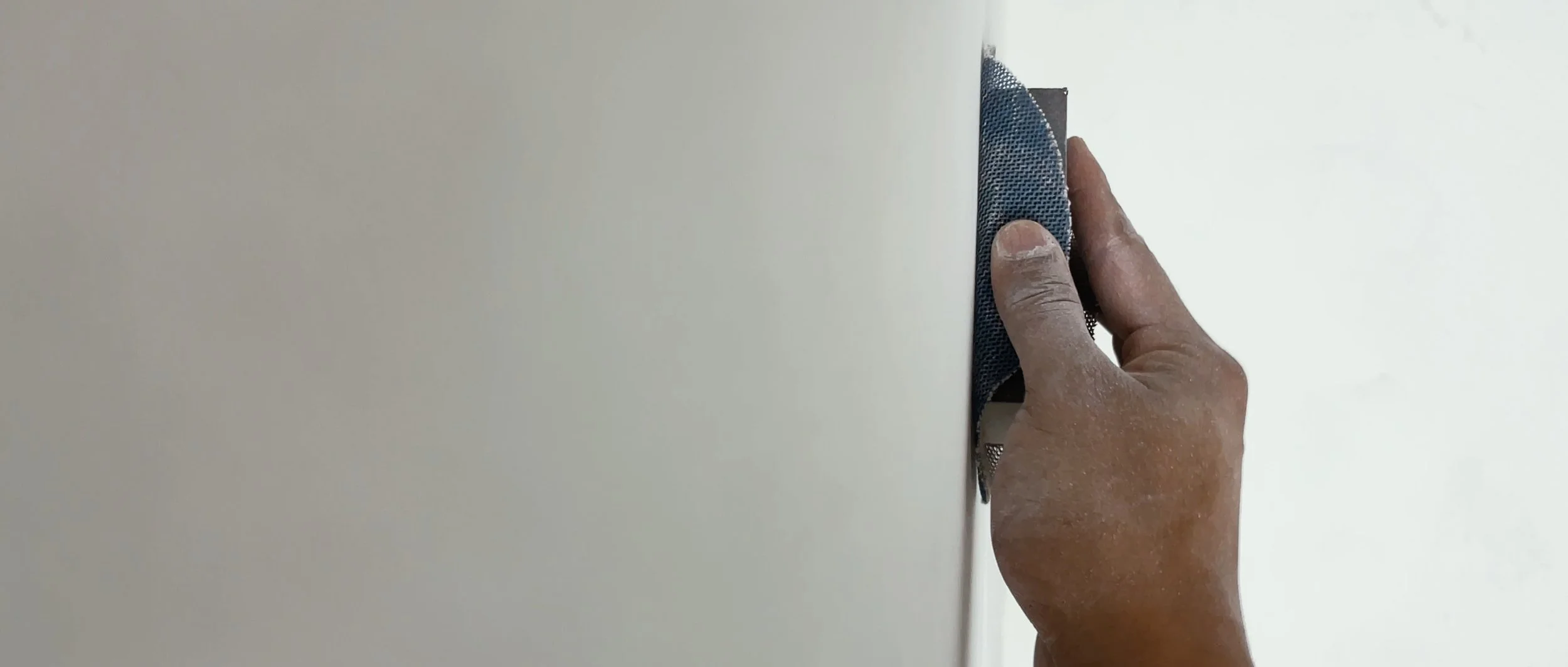
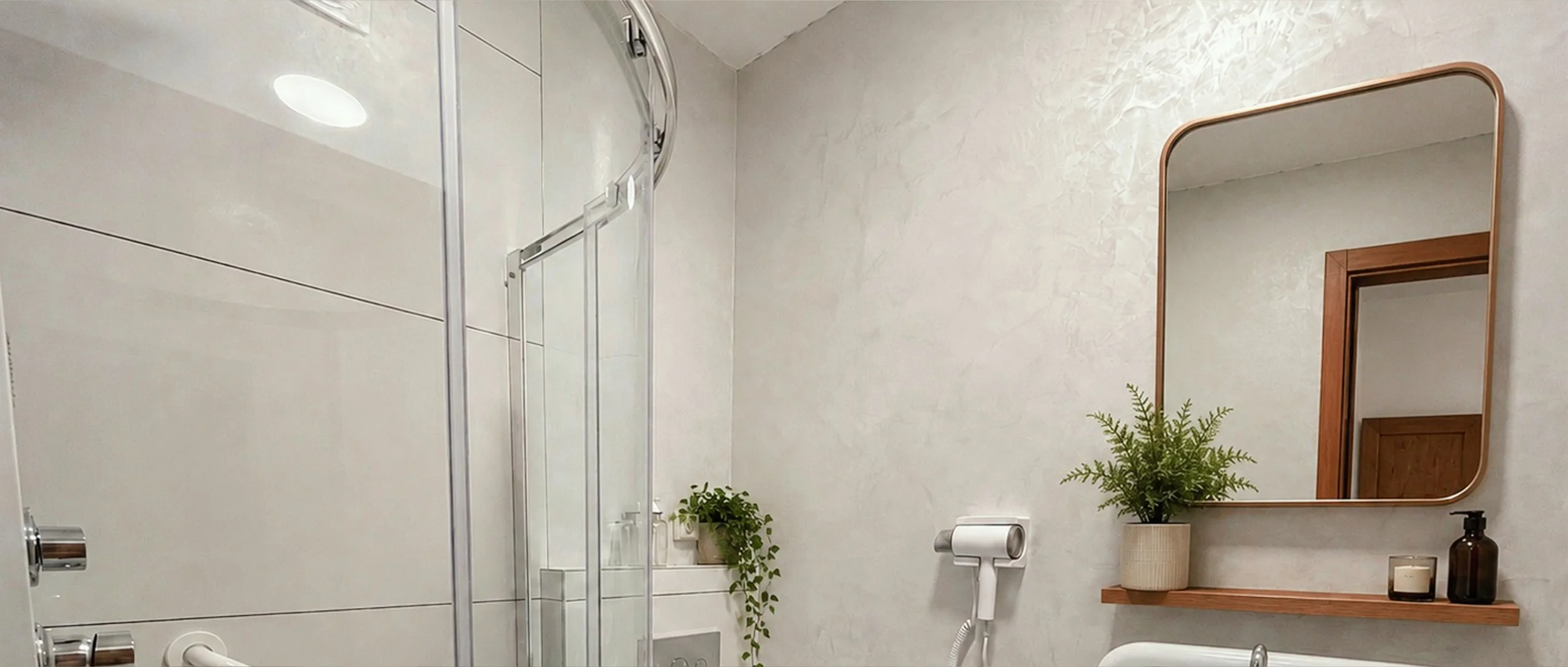
Venetian plaster is built up in thin layers of lime and marble dust, each one troweled on by hand and burnished before the next goes on.
The technique goes back centuries, refined in the palazzos of Venice, where the walls needed to cope with the damp without losing their light.
The result reads like stone, moves like water, and ages the way only something made by hand can.
Micro Cement
Continuous Surface, No Seams
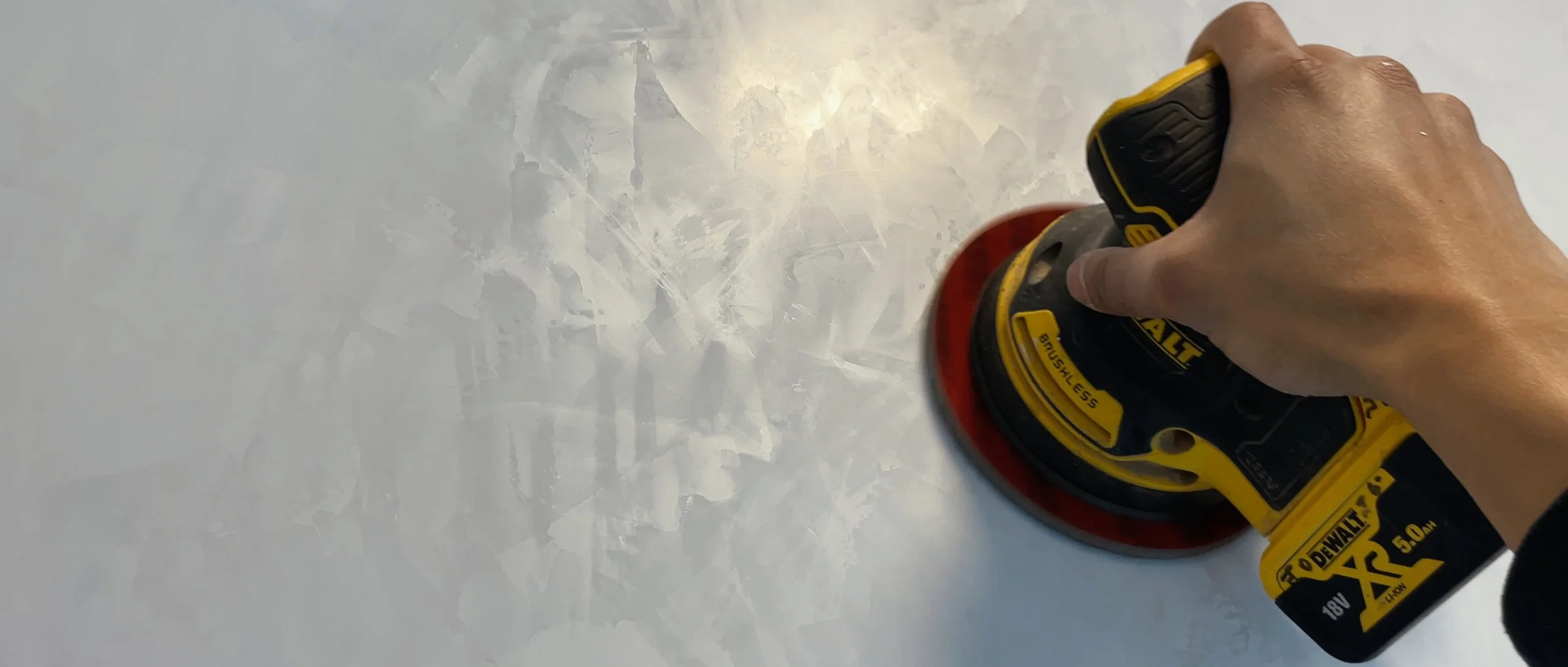
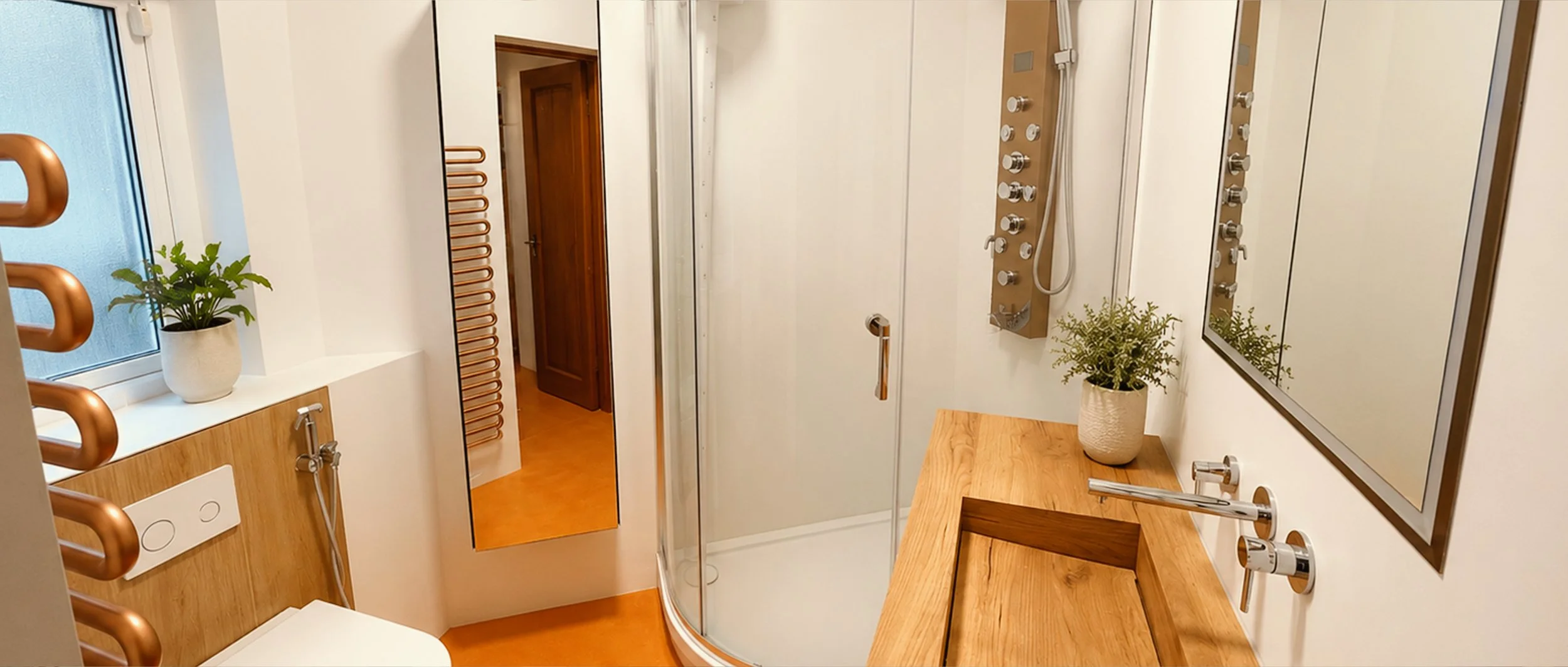
Because it goes on as one continuous surface, there's nothing for dirt, damp or mould to catch on, no grout lines, no seams, nowhere for anything to hide.
Because there's no joint in it, a bathroom floor can run straight into the shower wall without a single grout line breaking it up.
It's dense, fully waterproof once sealed, and right for the spots where a Venetian finish would take too much of a beating day to day.
Decorative Lime Finishes
It Works As Hard As It Looks
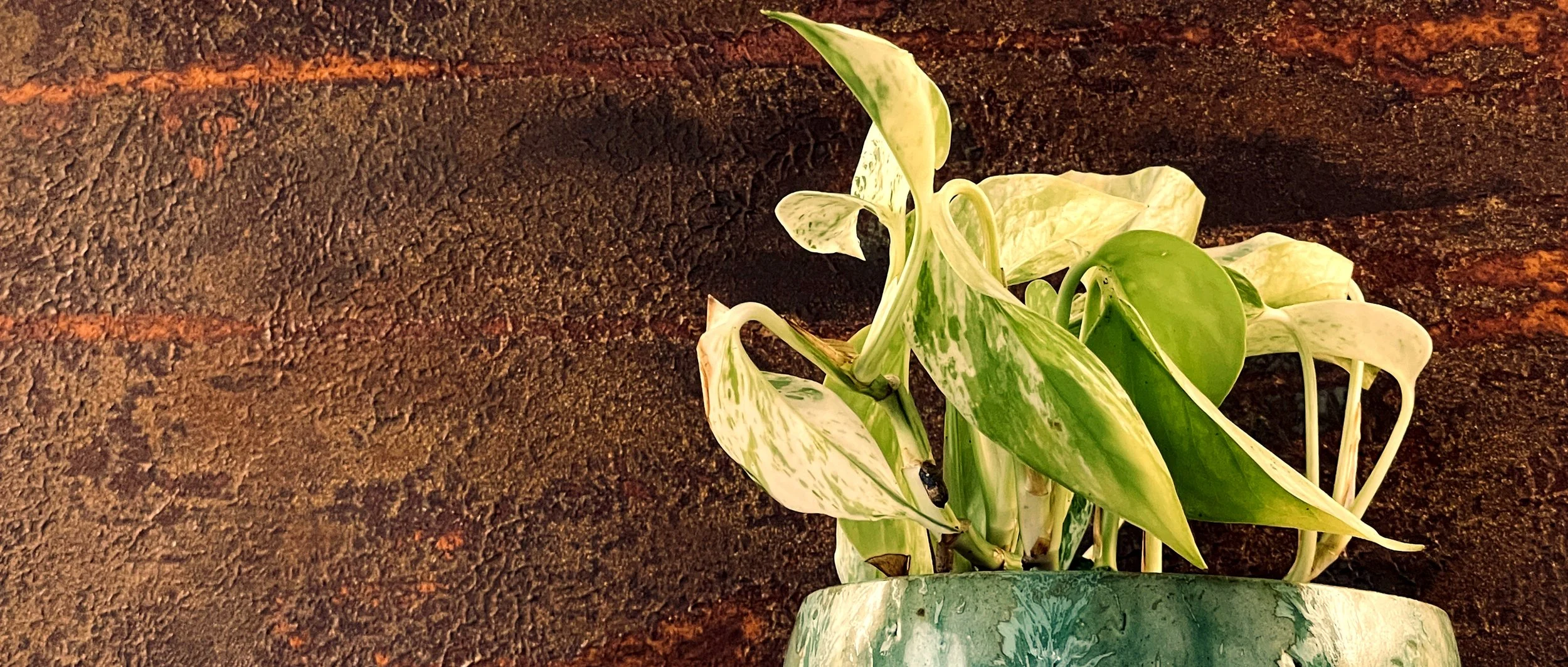
Lime plaster is about as close to a natural material as a wall finish gets; no plastics, no solvents, nothing offgassing into the room once it's cured. People were using it long before anyone had heard of a VOC, and it's still one of the more sustainable ways to finish a wall. It’s applied in layers thinner than a millimetre, straight over most existing surfaces, floors, walls, worktops, even furniture if you want it.
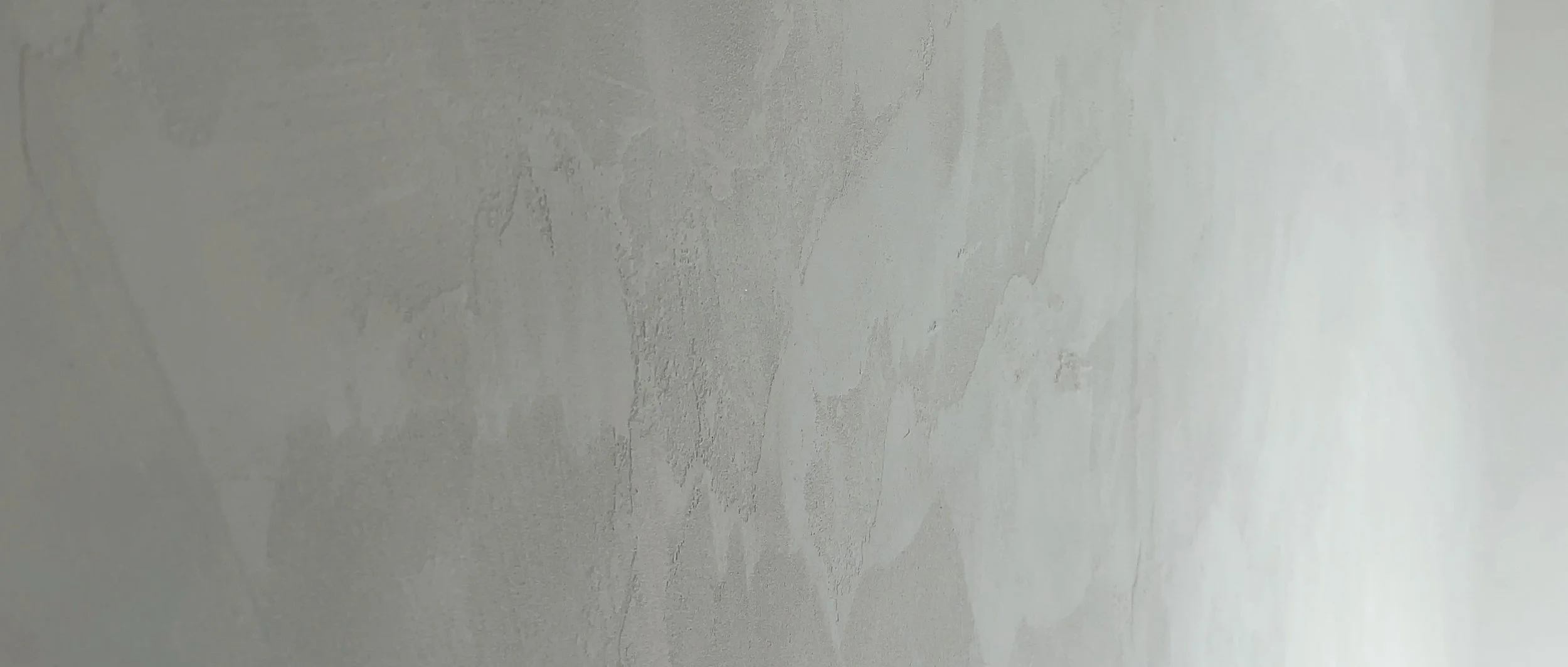
It also ages properly, the way good materials do; it doesn't chip or peel; it just gets quieter and more interesting over time. And because every wall is troweled by hand, no two are ever quite the same. You're not buying a finish off a shelf. You're getting something closer to a piece of art that happens to also be your wall.
Why CHIGG Studio
Designed Around Your Space.
Before I choose a finish, I'm thinking about a lot more than the wall itself.
Natural Light
Every finish reacts differently to natural light. I look at how the sun moves through the room across the day, so the texture and colour show their true character from morning right through to evening.
Artificial Lighting
Lighting changes everything about how a handcrafted surface looks. I take the placement, colour temperature and intensity into account so the finish still feels right once the sun's gone down.
Existing Materials
The finish has to sit well with what's already in the room. Timber, stone, brass, steel, fabric, all of it plays a part in the final choice, so the room feels put together rather than like everything's competing for attention.
Scale & Proportion
The size and shape of a room changes how a finish should feel. Bigger spaces can take a more expressive texture; smaller rooms usually do better with something quieter that opens things up rather than closing them in.
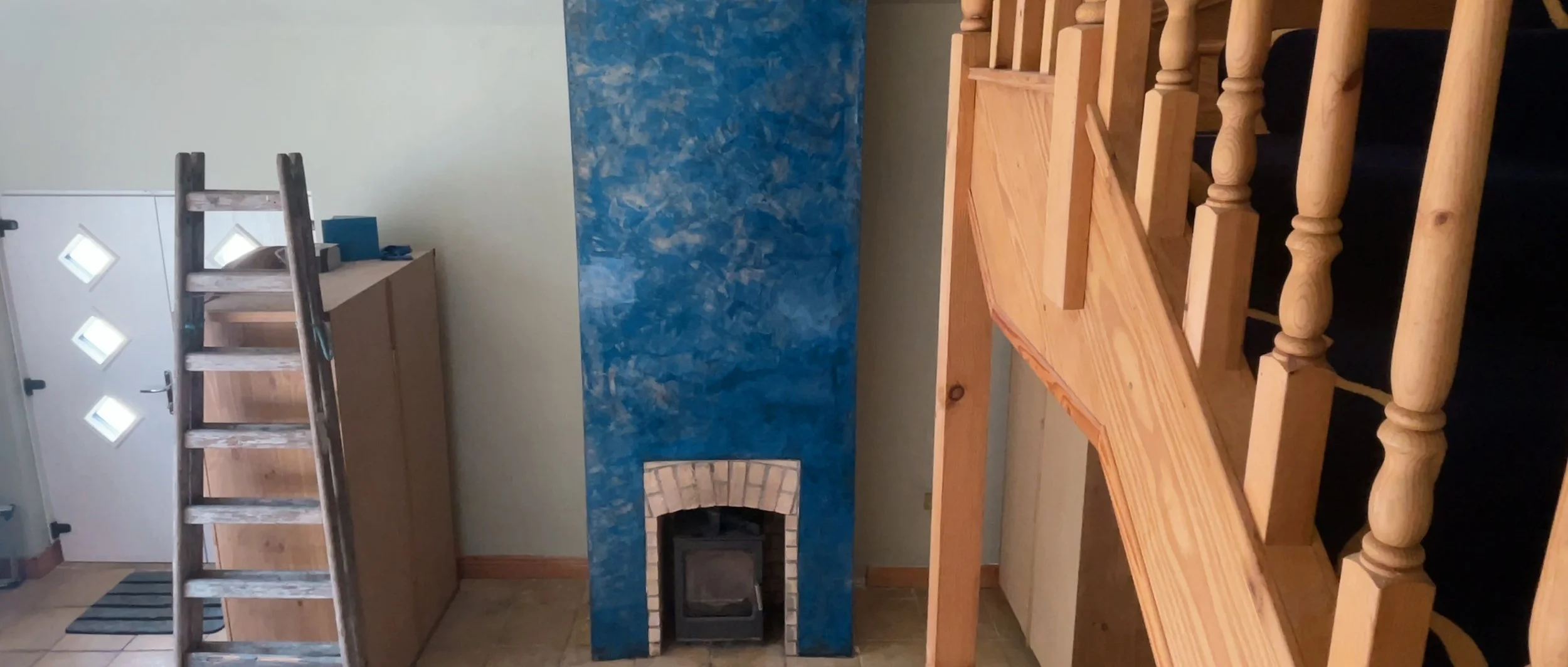
Featured Projects
A Considered Process.
01
Consultation
I come and see the space myself, and we talk through how you use it and the mood you're going for.
02
Sampling
I bring physical samples, made up on board, and hold them in your space under your own light. Never just a swatch.
03
Specification
Once we've picked a finish, I confirm the prep work, colour and sheen in writing, so there's no confusion later.
04
Scheduling
We agree on a start date that gives the material proper time to cure. I don't rush this part.
CRAFTMANSHIP
The Hand Behind The Finish
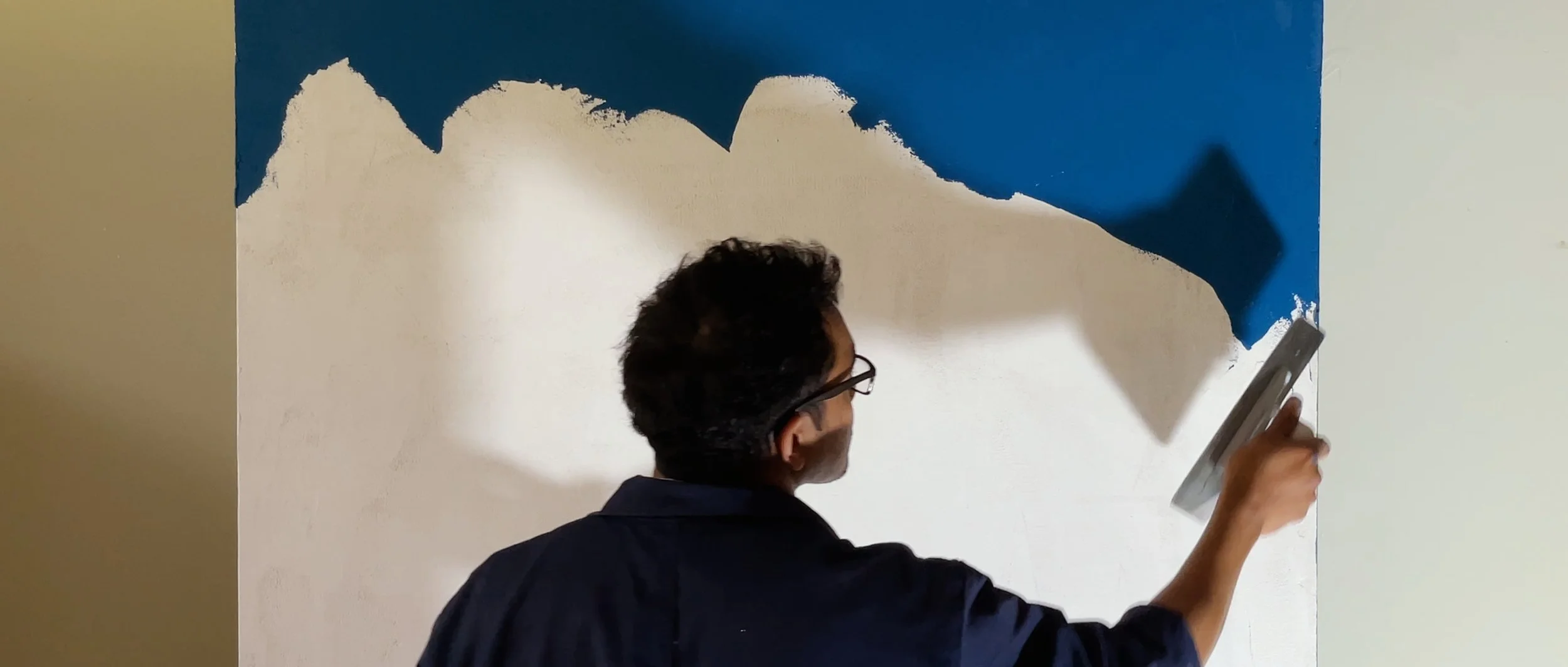
No two trowel passes come out identical; that’s exactly why the finish feels alive instead of manufactured. Speed was never the goal. Getting the pressure, angle and timing right, every single pass, is.
Frequently Asked Questions
-
Yes, on the walls, once it's properly sealed. It's not right for floors or the inside of a shower, though; those need microcement instead, and I'll spec both together if a room needs it.
-
Usually, yes, with the right prep work. I'll check this when I come out for the consultation.
-
Most single rooms take somewhere between 5 and 10 working days, depending on size and finish.
-
As close as anything hand-applied can get. A bit of natural variation is part of the finish, not a fault in it.
Let's Create Something That Lasts.
Invite visitors to discuss their project rather than request a quote, matching the tone requested in the brief.